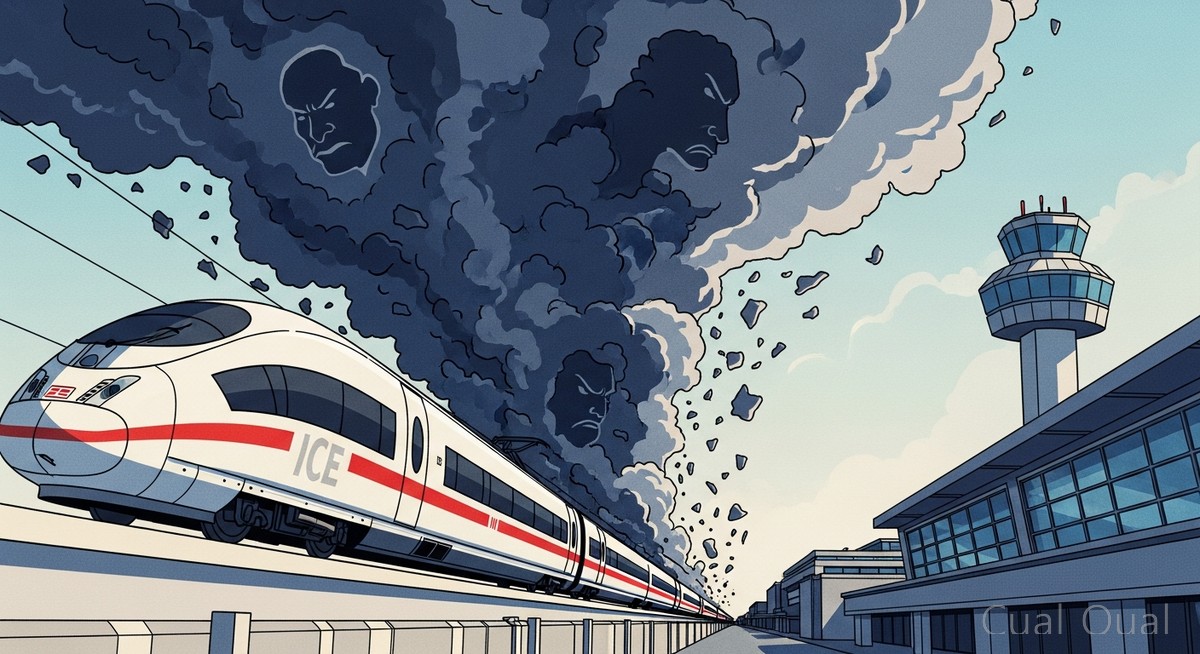
하늘길까지 막아서나? 트럼프의 전격적인 공항 ICE 배치, 그 숨겨진 3가지 시나리오 | ICE at the Gates: The Strategic Calculus and Global Fallout of Trump’s Airport Deployment
하늘길까지 막아서나? 트럼프의 전격적인 공항 ICE 배치, 그 숨겨진 3가지 시나리오ICE at the Gates: The Strategic Calculus and Global Fallout of Trump’s Airport Deployment
CualQual: Pouring Over the News
CualQual: Pouring Over the News
- 트럼프 행정부가 월요일(2026년 3월 23일)부터 주요 공항에 이민세관집행국(ICE) 요원을 전격 배치하며 이민 통제 강화에 나섰습니다.
- 이번 조치는 단순한 불법 이민자 단속을 넘어, 항공 물류와 국제 관계, 그리고 국내 정치 지형에 복합적인 파장을 불러올 것으로 전망됩니다.
- The Trump administration is intensifying immigration enforcement by deploying ICE agents to major airports starting Monday, March 23, 2026.
- This move is expected to have complex repercussions beyond simple crackdowns, affecting aviation logistics, international relations, and the domestic political landscape.
2026년 3월 23일, 미국 이민 정책의 패러다임이 또 한 번 급격한 전환점을 맞이했습니다. 트럼프 행정부가 공항이라는 국가의 핵심 관문에 이민세관집행국(ICE) 요원들을 직접 투입하기로 결정한 것입니다. 이는 기존의 육상 국경 중심 통제에서 벗어나, '공중 경로'를 통한 인적 이동까지 완전히 장악하겠다는 강력한 의지의 표명입니다. 오늘 칼럼에서는 이번 조치가 단순한 법 집행을 넘어 미국 경제와 국제 사회에 던지는 심층적인 메시지를 분석해 보고자 합니다.
On March 23, 2026, the paradigm of U.S. immigration policy reached another sharp turning point. The Trump administration has decided to directly deploy Immigration and Customs Enforcement (ICE) agents to the nation's key gateways: airports. This represents a powerful declaration of intent to seize complete control over human movement via "aerial routes," moving beyond traditional land-border-centric enforcement. In this column, I will analyze the profound messages this action sends to the U.S. economy and the international community, far beyond simple law enforcement.
1. 전략적 포석: 경계의 확장과 심리적 저지선 구축
이번 ICE의 공항 배치는 실질적인 검거 효율성보다 '심리적 억지력'에 더 큰 방점이 찍혀 있습니다. 공항은 국가의 얼굴이자 경제 활동의 심장부입니다. 이곳에 무장한 집행 요원들이 가시적으로 배치된다는 것은, 미국으로 향하는 모든 경로가 '무관용 원칙' 하에 놓여 있음을 전 세계에 선포하는 행위입니다. 이는 잠재적 이민자들에게 강력한 경고 메시지를 보냄과 동시에, 지지층에게는 '약속된 안보'를 시각적으로 확인시켜 주는 고도의 정치적 행위로 풀이됩니다.
2. 경제적 하방 리스크: 항공 산업과 관광 시장의 위축
통관 지연 및 물류 마찰: ICE 요원들의 추가적인 검문 과정은 필연적으로 입출국 프로세스의 지연을 초래합니다. 이는 비즈니스 여행객의 불편을 넘어, 정시성이 생명인 글로벌 공급망에 예기치 못한 병목 현상을 야기할 수 있습니다.
관광 매력도 하락: '환대'의 공간이어야 할 공항이 '감시'의 공간으로 변모함에 따라, 미국을 방문하려는 외국인 관광객들의 심리적 위축이 불가피합니다. 이는 장기적으로 미국의 관광 수지 악화로 이어질 가능성이 큽니다.
3. 향후 전망: 법적 분쟁과 사회적 양극화의 심화
전문가들은 이번 조치가 헌법상 보장된 이동의 자유 및 적법 절차 원칙과 충돌할 소지가 크다고 지적합니다. 향후 인권 단체와 주 정부들 사이에서 거센 법적 공방이 예상되며, 이는 미국 사회 내의 이민 정책을 둘러싼 갈등을 더욱 심화시킬 것입니다. 또한, 국제 사회에서는 미국의 이러한 '고립주의적 보안 강화'가 글로벌 스탠다드에 부합하는지에 대한 비판적 논의가 가속화될 전망입니다. 결국 이번 공항 배치는 단순한 행정 명령을 넘어, 미국이 지향하는 국가 정체성에 대한 근본적인 질문을 던지고 있습니다.
1. Strategic Maneuvering: Expanding Borders and Building Psychological Barriers
The deployment of ICE to airports focuses more on "psychological deterrence" than on actual arrest efficiency. Airports are the face of a nation and the heart of economic activity. The visible presence of armed enforcement officers at these hubs is a global proclamation that all routes to the U.S. are under a "zero-tolerance" mandate. This acts as a stern warning to potential immigrants while serving as a highly political act to visually confirm "promised security" to the administration's base.
2. Economic Downside Risks: Contraction of Aviation and Tourism
Customs Delays and Logistical Friction: The additional screening process by ICE agents will inevitably lead to delays in entry and exit procedures. Beyond inconveniencing business travelers, this could cause unexpected bottlenecks in global supply chains where punctuality is paramount.
Decline in Tourism Appeal: As airports transform from spaces of "hospitality" to spaces of "surveillance," a psychological withdrawal of foreign tourists wishing to visit the U.S. is inevitable. This is highly likely to lead to a worsening of the U.S. tourism balance in the long run.
3. Future Outlook: Intensifying Legal Battles and Social Polarization
Experts point out that this measure is likely to conflict with constitutionally guaranteed freedom of movement and the principle of due process. Fierce legal battles between human rights organizations and state governments are anticipated, which will further deepen the conflict surrounding immigration policy within American society. Furthermore, critical discussions in the international community will accelerate regarding whether this "isolationist security enhancement" aligns with global standards. Ultimately, this airport deployment poses a fundamental question about the national identity the U.S. aspires to uphold, moving beyond a mere administrative order.