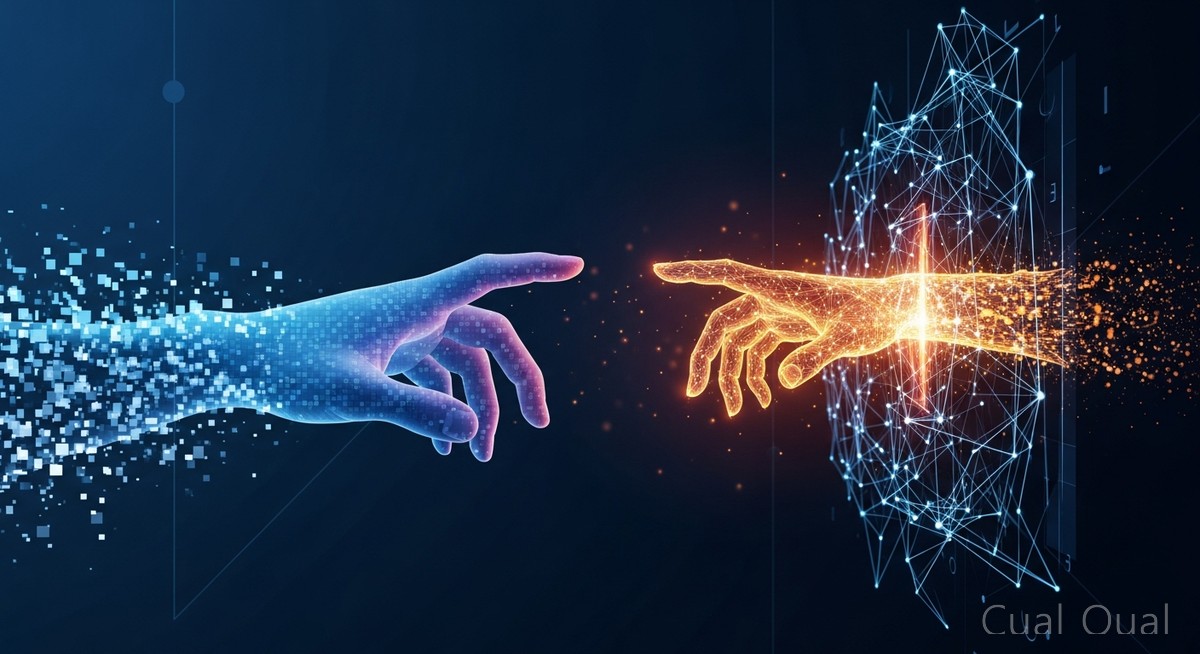
- 앤스로픽의 클로드가 단순 대화형 AI를 넘어 사용자의 컴퓨터를 직접 제어하는 '에이전틱 AI(Agentic AI)' 시대를 본격화했습니다.
- 이는 인간과 소프트웨어의 상호작용 방식이 '명령'에서 '위임'으로 근본적으로 변화함을 의미하며, 화이트칼라 노동 시장의 대대적 재편을 예고합니다.
- Anthropic's Claude has transcended conversational AI to enter the era of 'Agentic AI' by directly controlling user computers.
- This marks a fundamental shift from 'commanding' to 'delegating' in human-software interaction, signaling a massive restructuring of the white-collar labor market.
인공지능 산업의 패러다임이 '답변하는 기계'에서 '행동하는 주체'로 급격히 전환되고 있습니다. 2026년 현재, 우리는 앤스로픽(Anthropic)이 던진 '컴퓨터 유즈(Computer Use)'라는 화두를 통해 AI가 더 이상 소프트웨어의 부속품이 아닌, 운영체제(OS) 위에서 인간과 대등하게 활동하는 독립적 에이전트가 되었음을 목격하고 있습니다. 클로드가 사용자의 화면을 보고, 커서를 옮기며, 클릭하고 타이핑하는 이 정교한 동작은 단순히 기술적 진보를 넘어, 인간이 기계를 다루는 방식에 대한 기존의 문법을 완전히 파괴하는 사건입니다. 오늘 우리는 이 기술이 가져올 경제적 충격과 사회적 변화의 본질을 깊이 있게 파헤쳐 보고자 합니다.
The paradigm of the AI industry is rapidly shifting from "machines that answer" to "agents that act." As of 2026, Anthropic's introduction of the 'Computer Use' capability signifies that AI is no longer a mere add-on to software, but an independent agent operating on par with humans across operating systems. Claude’s sophisticated ability to perceive screens, move cursors, click, and type is more than a technical milestone; it is a disruptive event that dismantles the traditional grammar of human-machine interaction. Today, we delve into the core of the economic impact and societal shifts this technology will inevitably trigger.
1. '대화'의 종말과 '에이전트'의 탄생: 인터페이스의 혁명
지금까지의 AI는 '챗봇'이라는 좁은 텍스트 상자에 갇혀 있었습니다. 사용자가 정보를 입력하면 결과를 내놓는 수동적인 구조였죠. 하지만 앤스로픽의 이번 발표는 AI를 텍스트 상자 밖으로 해방시켰습니다. 클로드가 컴퓨터를 직접 조작한다는 것은 AI가 인간이 설계한 모든 소프트웨어 UI(User Interface)를 그대로 학습하고 활용할 수 있음을 의미합니다.
- 범용성의 극대화: 특정 소프트웨어를 위한 별도의 API 연동 없이도, AI는 인간처럼 브라우저를 열고, 업무용 소프트웨어에 데이터를 입력하며, 협업 도구를 통해 보고서를 전송할 수 있습니다.
- 인지적 부하의 전이: 이제 인간은 '어떻게(How)'를 고민하는 대신 '무엇을(What)' 할지만 결정하면 됩니다. 이는 인간의 역할이 '실무자'에서 '관리자'로 격상됨을 뜻합니다.
우리가 주목해야 할 점은 앤스로픽이 '시각적 이해'와 '행동 제어'를 결합했다는 사실입니다. 이는 AI가 단순한 논리 연산을 넘어, 가상 공간에서의 '물리적 실천력'을 확보했음을 시사하며, 이는 향후 모든 사무 환경의 표준이 될 것입니다.
2. 화이트칼라 생산성의 재정의와 '노동의 증발'
이 기술이 시장에 미칠 실질적인 파장은 파괴적입니다. 기존의 RPA(Robotic Process Automation)가 정해진 규칙에 따라 움직였다면, 클로드와 같은 에이전틱 AI는 '맥락'을 이해하며 유동적으로 대처합니다. 이는 곧 중간 관리자나 데이터 입력, 단순 분석을 담당하던 화이트칼라 직무의 상당 부분이 AI 에이전트로 대체될 수 있음을 예고합니다.
기업 입장에서는 엄청난 비용 절감의 기회입니다. 24시간 쉬지 않고, 실수가 없으며, 수십 명의 몫을 해내는 AI 에이전트를 활용하는 것은 거부할 수 없는 유혹입니다. 고임금 구조를 가진 글로벌 IT 선진국들에서는 이러한 전환이 더욱 가속화될 것이며, 이는 고용 시장의 양극화를 심화시킬 가능성이 큽니다. 단순 숙련 노동은 증발하고, AI 에이전트를 설계하고 통제할 수 있는 '오케스트레이터'급 인재에 대한 수요만 폭증할 것입니다.
3. 전략적 결론: 보안 거버넌스와 새로운 신뢰 구조
하지만 장밋빛 미래만 있는 것은 아닙니다. AI에게 내 컴퓨터의 제어권을 넘겨준다는 것은 보안 측면에서 엄청난 리스크를 수반합니다. AI가 실수로 중요 데이터를 삭제하거나, 보안에 취약한 웹사이트를 클릭할 경우 그 책임은 누구에게 있습니까? 앤스로픽은 이를 위해 안전 장치를 마련했다고 발표했으나, '자율성'과 '통제권' 사이의 딜레마는 여전히 해결해야 할 숙제입니다.
우리는 이제 다음과 같은 준비를 해야 합니다:
- AI 거버넌스 구축: 기업은 AI 에이전트의 활동 범위를 제한하고 모니터링할 수 있는 '디지털 감사 시스템'을 반드시 구축해야 합니다.
- 역량의 재정의: 개인은 특정 툴(Tool)을 익히는 기술보다, 복잡한 비즈니스 문제를 정의하고 AI에게 위임할 수 있는 '비판적 사고력'과 '기획력'을 길러야 합니다.
결론적으로, 앤스로픽의 이번 행보는 AI가 인간의 도구를 대신 사용하는 단계를 넘어, 인간의 디지털 삶 자체를 대행하는 동반자로 진화하고 있음을 보여줍니다. 이 변화의 파도를 타느냐, 삼켜지느냐는 우리가 이 '행동하는 지능'을 얼마나 전략적으로 통제하고 활용하느냐에 달려 있습니다.
1. From Chatbots to Action-Bots: The Interface Revolution
Until now, AI has been confined within the narrow confines of a text-based 'chatbot' interface. It was a passive structure where the machine provided results only after a user input a query. However, Anthropic’s latest push liberates AI from this text box. Claude’s ability to directly manipulate a computer means that AI can now learn and utilize every software User Interface (UI) designed for humans.
- Maximizing Generalization: Without the need for specific API integrations, AI can open browsers, input data into productivity software, and send reports via collaboration tools—just like a human professional.
- Transfer of Cognitive Load: Humans no longer need to worry about the 'How'; they only need to decide the 'What.' This signifies an elevation of the human role from 'executor' to 'manager.'
The point we must focus on is that Anthropic has fused visual understanding with behavioral control. This implies that AI has secured 'physical agency' within the virtual space, which will soon become the standard for all office environments.
2. Redefining Productivity and the 'Evaporation of Labor'
The practical impact of this technology on the market is nothing short of disruptive. While traditional RPA (Robotic Process Automation) followed rigid rules, Agentic AI like Claude understands context and adapts fluidly. This heralds the potential replacement of a significant portion of white-collar roles involving middle management, data entry, and basic analysis by AI agents.
For corporations, this presents an irresistible opportunity for cost reduction. Utilizing an AI agent that works 24/7, makes no mistakes, and does the work of dozens is a compelling proposition. In high-wage advanced economies, this transition will accelerate, likely deepening the polarization of the labor market. Routine skilled labor may evaporate, while demand for 'orchestrators'—those who can design and control AI agents—will skyrocket.
3. Strategic Conclusion: Security Governance and New Trust Structures
However, the future is not without its shadows. Handing over control of one's computer to an AI carries immense security risks. If an AI accidentally deletes critical data or interacts with insecure websites, who bears the responsibility? While Anthropic claims to have implemented safety measures, the dilemma between 'autonomy' and 'controllability' remains an unsolved challenge.
We must prepare in the following ways:
- Establishing AI Governance: Companies must build 'digital audit systems' to limit and monitor the activity scope of AI agents.
- Redefining Competencies: Individuals must focus on developing 'critical thinking' and 'planning skills'—the ability to define complex business problems and delegate them to AI—rather than just mastering specific software tools.
In conclusion, Anthropic’s move demonstrates that AI is evolving beyond using tools to acting as a surrogate for human digital life. Whether we ride this wave of change or are swallowed by it depends on how strategically we control and utilize this 'acting intelligence.'