Oil Shoots Higher, Shares Skid as Middle East Conflict Drags On
유가 급등, 주가 폭락 - 중동 분쟁 장기화에 따른 시장 충격Oil Shoots Higher, Shares Skid as Middle East Conflict Drags On
서론: 불안정한 에너지 시장의 그림자
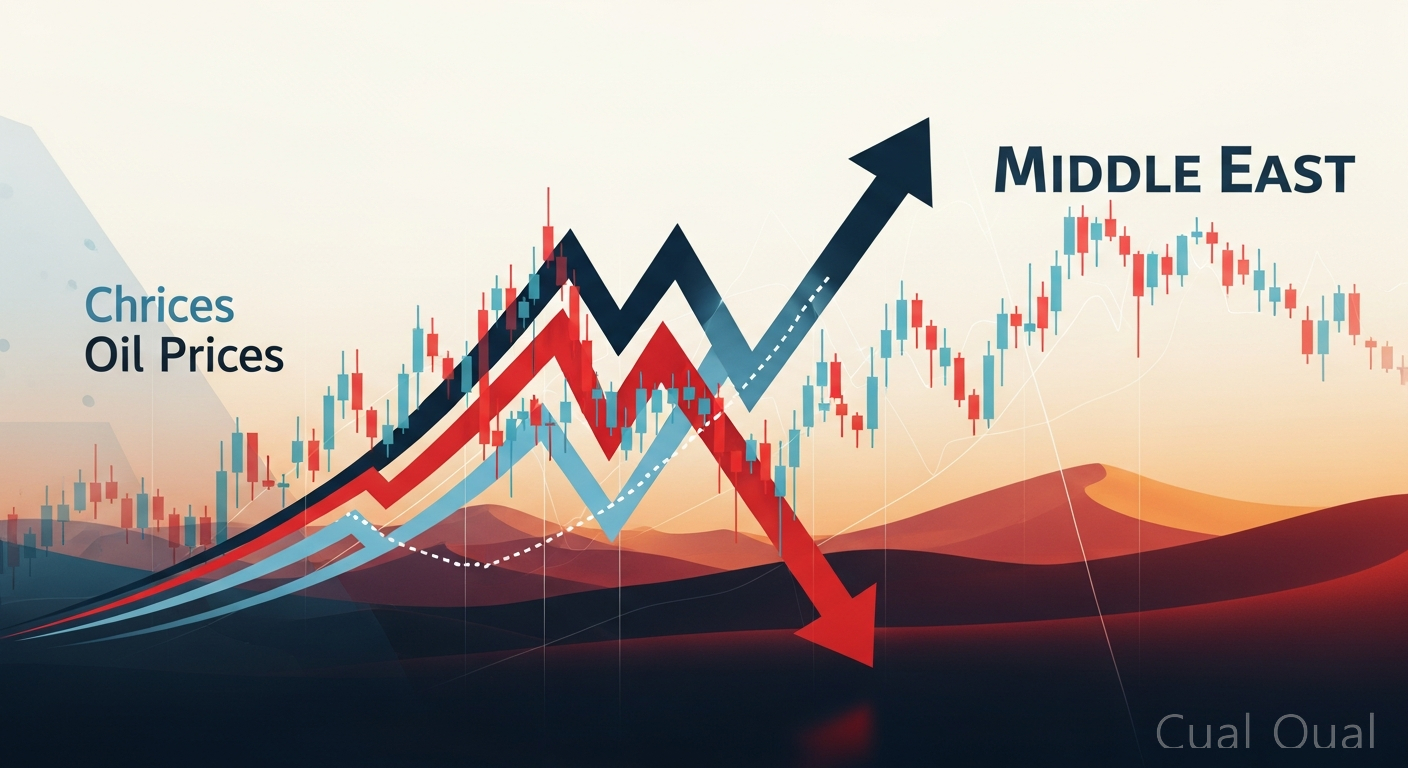
최근 Reuters 뉴스를 통해 “유가 급등, 주가 폭락 – 중동 분쟁 장기화”라는 헤드라인이 발표되었습니다. 이는 단순한 일시적인 시장 변동을 넘어, 글로벌 에너지 시장과 세계 경제 전반에 걸쳐 심각한 불안감을 야기하는 중요한 지표입니다. 특히 중동 지역의 지정학적 긴장이 해소되지 않고 장기화되면서, 석유 공급망의 안정성에 대한 우려가 더욱 커지고 있으며, 이는 투자 심리를 급격히 위축시키고 글로벌 주식 시장에 하방 압력을 가하는 핵심 요인으로 작용하고 있습니다.
핵심 질문: 이 상황이 왜 발생했는가? 그리고 앞으로 어떤 영향을 미칠 것인가?
본 칼럼에서는 Reuters의 헤드라인을 바탕으로, 현재 상황에 대한 심층적인 분석과 함께 관련 산업 및 정치적 파장을 조망하고 독자들에게 실질적인 정보를 제공하고자 합니다. 특히, 중동 지역 분쟁이 에너지 시장에 미치는 영향, 글로벌 경제 전망, 그리고 투자 전략 등에 대한 시사점을 도출하는 데 주력할 것입니다.
유가 급등의 원인 분석
현재 유가 상승의 주요 원인은 크게 세 가지로 분석될 수 있습니다. 첫째, 중동 지역의 지정학적 긴장이 심화되면서 석유 공급망의 핵심 요충지에 대한 불안감이 증폭되고 있다는 점입니다. 주요 산유국들이 밀집한 지역의 불안정성은 오일 시장의 불확실성을 키우며 투기적 수요와 실질적 공급 우려를 동시에 자극하고 있습니다. 둘째, 글로벌 에너지 수급 불균형에 대한 공포입니다. 분쟁이 장기화될수록 원유의 생산뿐만 아니라 운송 경로(호르무즈 해협 등)의 안전성이 위협받을 수 있다는 시나리오가 시장에 반영되고 있습니다.
셋째, 주요 에너지 생산국의 정책적 대응 또한 유가에 영향을 미칩니다. OPEC+와 같은 기구의 생산량 조절 정책은 시장의 공급 부족 신호를 강화하거나 완화하는 역할을 합니다. 현재와 같은 분쟁 상황에서는 생산국들의 증산 여력이 제한적이거나, 정치적 이해관계에 따라 공급 조절이 이루어질 수 있어 가격 상승 압력이 지속되는 구조입니다.
주가 폭락의 배경
유가 급등과 동시에 주가가 폭락하는 현상은 전형적인 '비용 인상 인플레이션(Cost-push Inflation)'에 대한 공포를 반영합니다. 에너지는 모든 산업의 기초 입력 요소이기에, 유가 상승은 기업의 생산 비용 증가와 수익성 악화로 직결됩니다. 특히 운송, 제조, 화학 산업 등 에너지 의존도가 높은 섹터의 주가는 유가 변동에 매우 민감하게 반응하며 하락세를 주도하고 있습니다.
또한, 지정학적 리스크의 증가는 투자자들로 하여금 주식과 같은 위험 자산에서 자금을 회수하여 금이나 달러와 같은 안전 자산으로 이동하게 만듭니다. 이러한 '안전 자산 선호 현상(Risk-off)'은 증시 전반의 유동성을 감소시키고 추가적인 주가 하락을 부추기는 악순환을 형성합니다.
투자 전략: 유가 변동성에 대비하여 투자 포트폴리오를 재조정하고, 인플레이션 헤지가 가능한 자산의 비중을 검토해야 합니다. 또한, 에너지 전환 가속화에 따른 신재생 에너지 섹터의 장기적 기회를 포착하는 신중한 접근이 필요합니다.
시사점 및 향후 전망
중동 분쟁의 장기화는 단순히 에너지 가격의 문제를 넘어 글로벌 경제의 스태그플레이션(경기 침체 속 물가 상승) 위험을 고조시킵니다. 유가 상승은 소비자 물가를 자극하여 각국 중앙은행의 금리 인하 시점을 늦추거나 추가 긴축을 강요할 수 있으며, 이는 결국 글로벌 소비 위축과 경제 성장 둔화로 이어질 수 있습니다.
향후 유가 및 주가 동향은 분쟁의 외교적 해결 가능성, 주요 산유국의 추가 공급 대책, 그리고 글로벌 경기 지표의 향방에 따라 결정될 것입니다. 따라서 투자자들은 단기적인 뉴스에 일희일비하기보다, 지정학적 리스크가 상시화된 '뉴 노멀' 시대에 맞는 유연하고 다각화된 전략을 유지해야 합니다.
Introduction: Shadows of an Unstable Energy Market
A recent Reuters headline – “Oil Shoots Higher, Shares Skid as Middle East Conflict Drags On” – has signaled a significant event impacting the global energy market and the world economy. This is not merely a temporary market fluctuation; it is a critical indicator fueling serious anxieties regarding the stability of the energy supply chain and exerting downward pressure on global stock markets as geopolitical tensions in the Middle East persist.
Key Question: Why is this happening, and what will be its impact?
This column provides an in-depth analysis based on the Reuters headline, offering insights into industrial and political ramifications. We will focus on the conflict's influence on energy markets, global economic forecasts, and investment strategies.
Analysis of Rising Oil Prices
The primary drivers behind rising oil prices can be analyzed in three areas. First, escalating geopolitical tensions in the Middle East have amplified concerns over key oil supply routes. Instability in regions densely populated by major oil producers increases market uncertainty and stimulates both speculative demand and supply fears. Second, there is fear regarding global energy supply-demand imbalances. As the conflict drags on, the safety of transportation routes, such as the Strait of Hormuz, becomes a significant concern reflected in market prices.
Third, the policy responses of major energy-producing nations impact prices. The production policies of organizations like OPEC+ play a crucial role in signaling supply shortages or surpluses. In the current conflict scenario, limited spare capacity or political interests may keep supply constrained, maintaining upward pressure on prices.
Background of Share Drop
The simultaneous surge in oil prices and the skid in shares reflect fears of 'cost-push inflation.' Since energy is a fundamental input for all industries, rising oil prices directly lead to increased production costs and weakened corporate profitability. Sectors with high energy dependence, such as transportation, manufacturing, and chemicals, are leading the decline.
Furthermore, increased geopolitical risk prompts investors to move capital from risky assets like shares to safe havens like gold or the US dollar. This 'risk-off' sentiment reduces liquidity in the stock market and fuels a cycle of further price declines.
Investment Strategy: Investors should consider rebalancing portfolios to prepare for oil price volatility and evaluate exposure to inflation-hedging assets. A cautious approach to identifying long-term opportunities in the renewable energy sector amid the accelerated energy transition is also advisable.
Implications and Future Outlook
The prolonged Middle East conflict heightens the risk of global stagflation. Rising oil prices stimulate consumer inflation, which may force central banks to delay interest rate cuts or implement further tightening, ultimately leading to weakened global consumption and slowed economic growth.
Future trends will depend on the possibility of diplomatic resolutions, additional supply measures from major producers, and the direction of global economic indicators. Investors must maintain flexible and diversified strategies suited for a 'new normal' era where geopolitical risks are a constant factor.
결론: 불확실성의 시대
현재 상황은 에너지 시장의 불안정뿐만 아니라, 글로벌 경제 전체에 대한 불확실성을 증폭시키고 있습니다. 중동 분쟁의 장기화는 단순히 유가 상승 문제를 넘어, 세계 경제의 미래를 예측하기 어렵게 만드는 복합적인 변수로 작용하고 있습니다. 투자자들은 이러한 불확실성 속에서 냉철한 판단을 유지하고, 장기적인 관점에서 리스크 관리에 만전을 기해야 할 것입니다.
Conclusion: An Era of Uncertainty
The current situation amplifies uncertainty not only for the energy market but also for the global economy as a whole. The prolonged Middle East conflict goes beyond rising oil prices, acting as a complex variable that makes the future of the world economy difficult to predict. Investors must remain calm and prioritize risk management with a long-term perspective in this environment of uncertainty.